$1.8 million awarded to improve mobility and reduce falls in older people from culturally and linguistically diverse communities in Australia
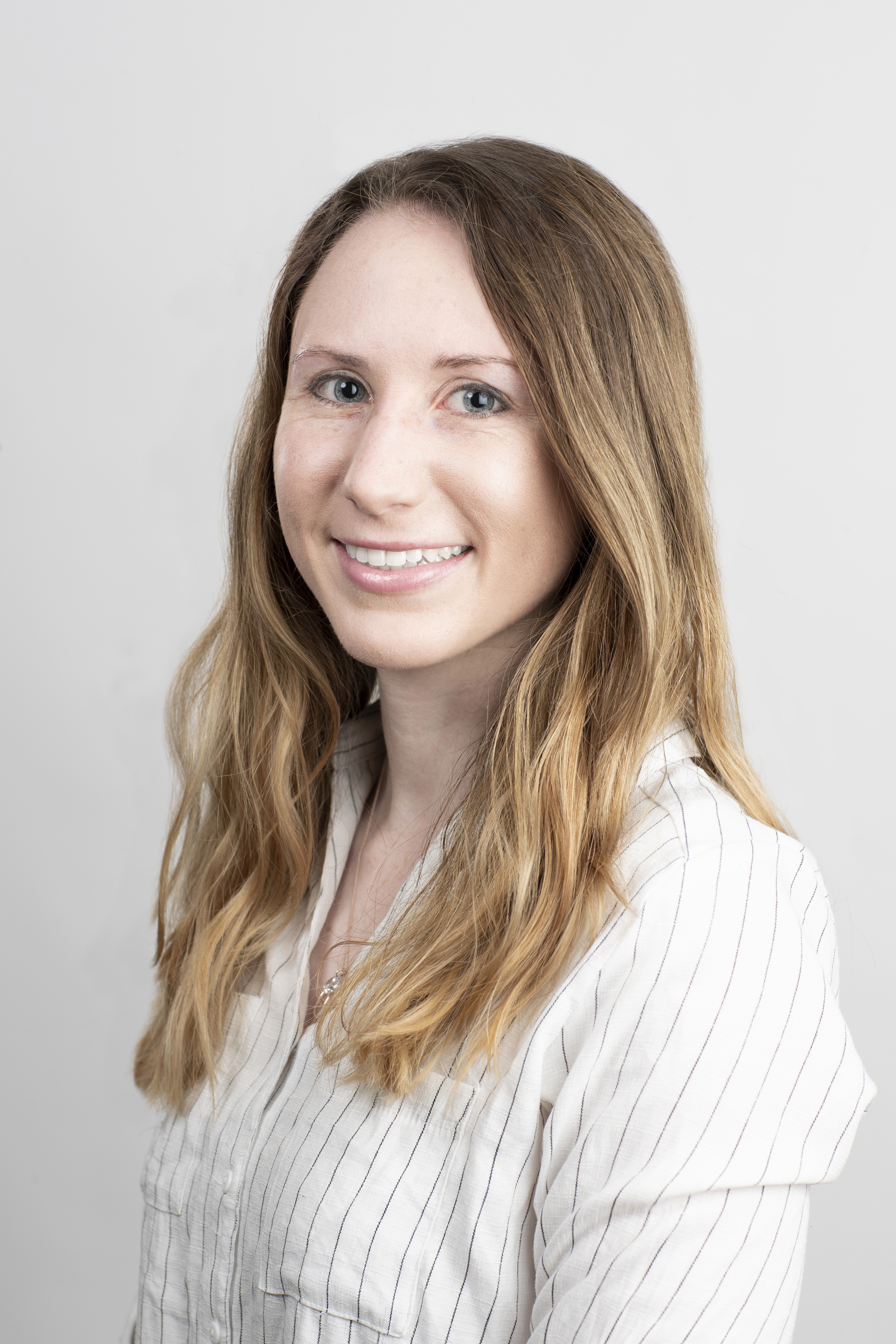
A multi-institutional team led by Prof Cathie Sherrington, A/Prof Bernadette Brady and Dr Rik Dawson has secured MRFF funding to adapt and implement the co-designed TOP UP program for older people from culturally and linguistically diverse communities, in partnership with local community service providers.
The project
TOP UP provides telehealth sessions with a physiotherapists for older people looking to increase their physical activity, improve their mobility, and reduce their risk of falls. It is individually tailored to the needs and abilities of the participants, and includes simple engaging exercise videos for older people to complete with the support of carers or family members. TOP UP has been found to improve mobility and prevent falls.
This MRFF funding will allow the team to adapt the TOP UP program for culturally and linguistically diverse communities, and implement and evaluate the adapted TOP UP in a hybrid cluster trial.
This project will:
Adapt TOP UP program delivery for service providers in Arabic, Vietnamese and Chinese communities
Implement and test the TOP UP adaptation within community services with 200 older people from culturally and linguistically diverse backgrounds
Explore the cost-effectiveness and sustainability for the TOP UP adaptation
Why this matters
There is clear evidence that tailored exercise improves mobility and reduces falls in older people, but there is limited availability of suitable programs for people from culturally and linguistically diverse communities.
"We know that tailored exercise programs can improve mobility and reduce falls in older people, but many people from culturally and linguistically diverse communities face barriers to accessing these programs. This funding will allow us to work closely with communities and service providers to adapt TOP UP so it is culturally relevant, accessible and effective for more older Australians," Prof Cathie Sherrington, Lead Investigator.
If the project is successful, it will provide clear evidence to shape healthcare practice for older Australians from culturally and linguistically diverse communities. By supporting greater physical activity, improving mobility, and reducing falls, the program has the potential to improve quality of life while easing pressure and costs on the Australian health system.
Research team
Participating institutions
Faculty of Medicine and Health - University of Sydney
Allied Health, Population Health, Geriatric Medicine – South Western Sydney Local Health District
Institute for Musculoskeletal Health, Allied Health, Population Health, Geriatric Medicine – Sydney Local Health District
Allied Health, Population Health – Western Sydney Local Health District
Investigators
Prof Cathie Sherrington (CIA), A/Prof Bernadette Brady, Dr Rik Dawson, Prof Simon Rosenbaum, Prof Leanne Hassett, Dr Marina de Barros Pinheiro, Prof Philayrath Phongsavan, Dr Saman Khalatbari-Soltani, Baldwinder Sidhu, Shih-Chi Kao, Matthew Jennings, Candy (Shan) Xie, Prof Benjamin Smith, Prof Li Ming Wen, Prof Andrew Milat (Cis), Prof Anne Tiedemann, Natali Smud, Pro Kim Delbaere, Nicola Jones, Prof Lee-Fay Low, Dr Kristen Pickles, Prof Vasi Naganathan, Dr Abby Haynes, Sandeep Gupta, Prof Catherine Said, Shalini Balram, Glen Pang, A/Prof Danielle Ni Chroinin, Nevin Zeng, Dr Kitty Kaur (Ais).
Partner organisations
CORE Community Services, Chinese Australian Services Society