National Volunteer Week 2026


This National Volunteer Week, we are proud to acknowledge and celebrate the work of Ima Strkljevic, physiotherapist and one of our PhD candidates.
Ima is a passionate advocate for volunteering, and this commitment sits at the heart of her PhD research. Her work explores the health benefits of volunteering among health professionals, an area where evidence is still emerging. While professional volunteering has traditionally focused on direct service delivery, mentoring, and educating early-career professionals, Ima is encouraging us to think more broadly about the role volunteering can play in disease prevention and health promotion.
One area especially close to Ima’s heart is falls prevention. In Australia, one in three people aged 65+, and one in two people aged 80+, experience a fall each year. Every day, around 400 older Australians are admitted to hospital due to a fall, and more than 6,000 fall-related deaths occur annually. Beyond the human toll, falls also place a significant burden on the healthcare system, costing an estimated $3.2 billion each year. For individuals, falls can lead to injuries, reduced mobility, loss of confidence and independence, and increased healthcare expenses. Families, friends, and carers are also impacted through added worry, time commitments, financial strain, and caring responsibilities.
"Falls Prevention Alliance Australia (FPAA), is a great example of a national platform where health professionals across disciplines and the country can unite to address a growing national and global issue," - Ima Strkljevic
Ima is currently leading the FPAA Community Ambassadors Program, developing resources to train volunteer health professional educators as trusted messengers who can deliver evidence-based falls prevention education and demonstration sessions within community groups. The program aims to translate research and policy into meaningful local action that supports healthier, safer ageing.
Importantly, this initiative is also helping to create clearer and more flexible pathways for health professionals to volunteer. Through structured support, recognition, and opportunities to contribute at scale, the program encourages health professionals to see their role as extending beyond clinical care. It highlights the valuable role they can play as connectors between policy, services, and community organisations, helping to reshape professional identity and responsibility in ways that strengthen community health and wellbeing.
As part of this initiative, Ima has been presenting to local community groups about falls prevention, and the reception has been extremely positive.
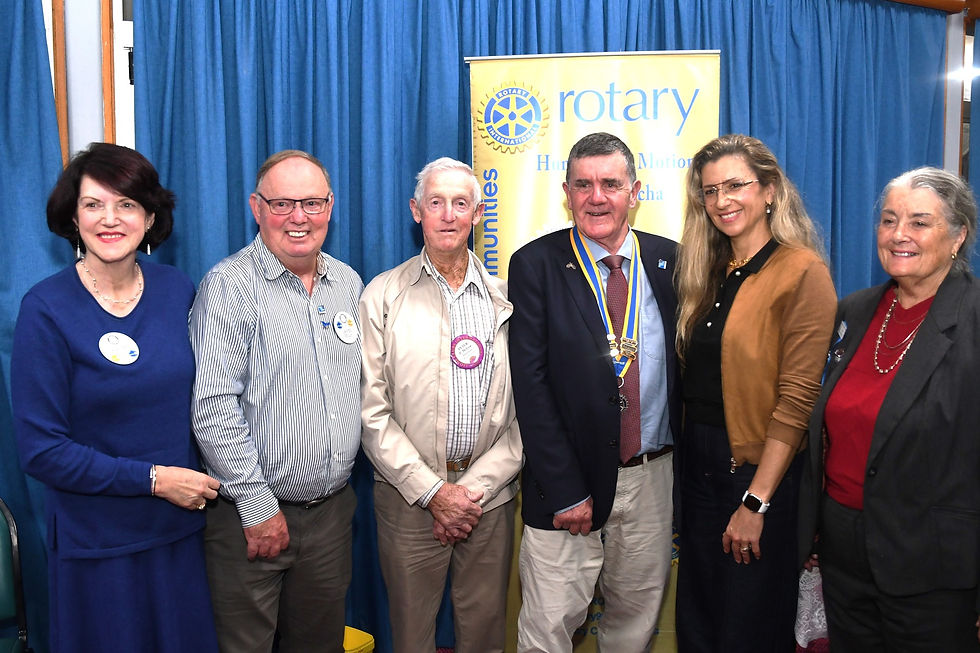
We greatly appreciate the work Ima has conducted in this space as a PhD Candidate and for the Falls Prevention Australia Alliance.